
Your car’s paint takes damage from external factors every day. UV radiation, acid rain, and road contaminants permanently break down the structure of the finish. Professional car paint protection lets you stop these processes and keep your vehicle looking great for years. The key to success is choosing the right technologies and strictly following the surface preparation steps.
Thorough preparation: how to protect car paint
Every paint protection process starts with decontamination – a thorough cleaning of the paint to remove iron particles and other contaminants such as tar, asphalt, or road dust – which ensures that waxes or coatings bond perfectly. For the product to bond properly, it’s worth doing a full paint decontamination.
In the first step, pre-spray the car with CITRINE. This alkaline product effectively removes the heaviest road grime and degreases the surface. Next, apply CARNELIAN snow foam, whose thick consistency penetrates the dirt. This foam contains corrosion inhibitors that protect metal parts during the wash itself.
The next step is a proper two-bucket wash. Use TOURMALINE, a pH-neutral shampoo that’s safe for both paint and hands. To remove iron particles from the wheels and bodywork, use AMETHYST. This product turns red on contact with contaminants, signaling that the deposits are dissolving.
Modern technologies: what to protect car paint with
Your choice of product should depend on how long you want the protection to last and the visual effect you’re after. If you’re wondering what to protect your car’s paint with, look at modern silica-based products – they offer far greater resistance to external factors than traditional natural waxes. An excellent solution is SAPPHIRE – a ceramic spray wax. It contains a high dose of SiO2, the main component of ceramic coatings. It forms a hydrophobic layer that effectively limits dirt buildup. The bodywork gets a deep gloss and the so-called wet look effect.
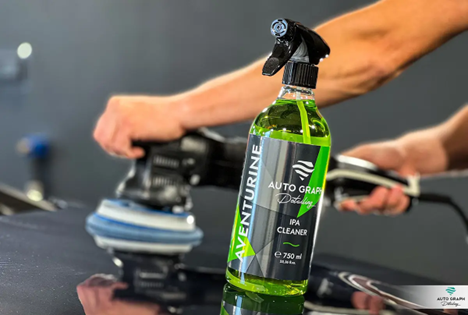
If you’re protecting the paint after polishing, perfect surface degreasing is crucial. Use AVENTURINE, which contains 99% pure isopropyl alcohol. Removing polishing compound residue is necessary for the protective coating to bond permanently to the paint. Remember to always use clean microfiber cloths when buffing surfaces.
How to protect car paint for winter
Winter is the toughest time of year for bodywork because of the road salt that’s everywhere. Many people wonder how to protect their paint in winter to prevent permanent etching. During this period, the coating has to withstand harsh chemicals and low temperatures.
SAPPHIRE works great as a protective barrier in tough conditions. It shields the surface from aggressive salt and makes routine washing easier. For regular winter maintenance, it pays to use ALEXANDRITE shampoo, which contains organic acids that help remove mineral deposits and unclog hydrophobic coatings.
Proper paint care in winter takes consistency. You can make the job easier with a touchless wash using the right car care products. Just remember never to apply products to hot paint or in direct sunlight.
Paint protection strategies at a glance:
- Pre-rinse: use CITRINE or CARNELIAN to soften the dirt.
- Deposit removal: for white hard-water streaks, use LAZURITE.
- Degreasing: apply AVENTURINE before applying protection.
- Protection: apply SAPPHIRE for long-lasting hydrophobic properties.
How to protect paint from corrosion
Rust most often forms where the clear coat has micro-damage. The answer to how to protect paint from corrosion lies in how often you apply a protective layer. Professional car detailing relies on products that block corrosive agents from reaching the surface.
Using SAPPHIRE significantly reduces the risk of paint oxidation. In addition, products like CARNELIAN contain corrosion inhibitors in their formula. These protect the bodywork during the cleaning process itself. Just as important is regularly removing aggressive contaminants such as bird droppings or tree sap. For heavy bug splatter, use the specialized product TOPAZ. Removing bugs from the bodywork quickly prevents permanent damage to the paint structure.
How to protect paint from scratches
Swirl marks are mostly caused by washing mistakes. If you’re wondering how to protect your car’s paint, focus above all on using safe tools and the right chemicals. Polymer and ceramic coatings increase the slickness of the paint, which reduces friction when the wash mitt makes contact.
High-quality car care products minimize the risk of mechanical damage. ALEXANDRITE shampoo gives the mitt excellent glide, making washing safer. If you’re wondering what protects car paint best, SAPPHIRE is the top choice. It creates a layer that repels water and sand particles.
Your care routine should be rounded out with attention to detail. Apply ONYX to your tires to give them a satin look and protect them from cracking. MALACHITE or the hydrophobic EMERALD keeps windows clean and streak-free. A comprehensive approach keeps the car looking well cared for and helps it hold its market value longer.
How to protect new car paint
Many people mistakenly believe a new car doesn’t need protection. In fact, knowing how to protect new car paint is essential for keeping it in showroom condition. Keep in mind that the paint on new vehicles is often soft and very prone to scratches. Applying SiO2 protection right after purchase is the best investment you can make. SAPPHIRE protects the paint from fading quickly.
Washing a ceramic-coated car properly lets you enjoy its benefits for many months. Regularly remove mineral deposits with LAZURITE to restore the coating’s full hydrophobic properties. Remember that even the best protection needs systematic care with specialized AUTO GRAPH products.
Recommended products
See all products: Car Waxes, Quartz. You can find the safety and product data sheets for every cleaning product on our safety data sheets page.
