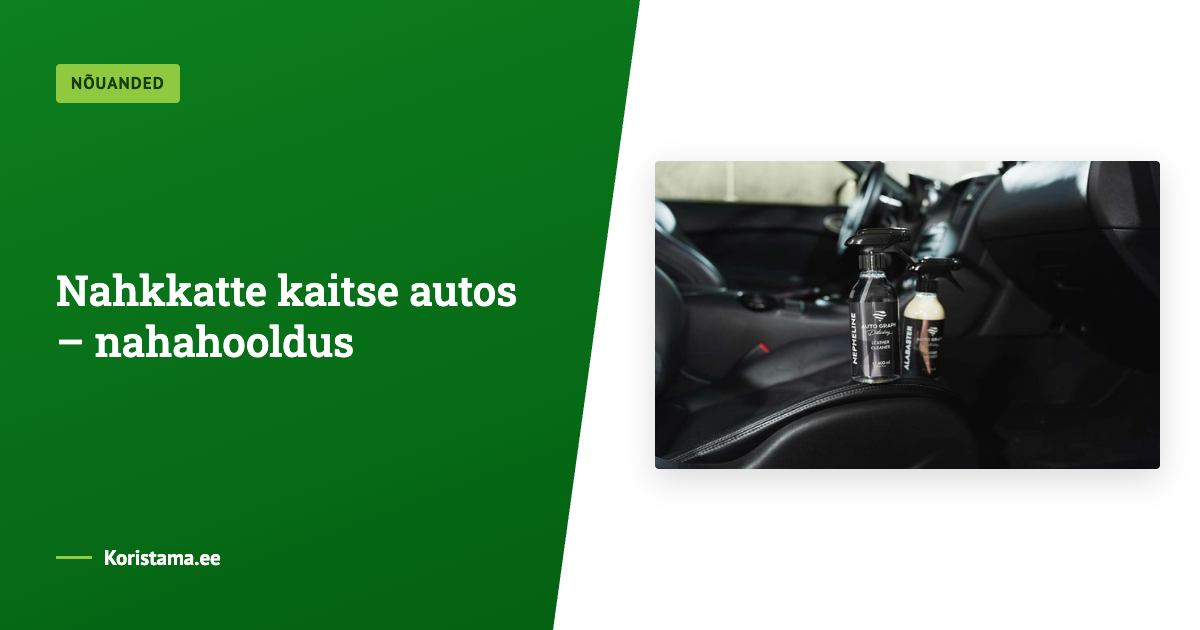
Leather upholstery gives an interior a luxurious look, but it needs proper care. Conditioning is the key process that creates a hydrophobic and antistatic layer. It protects the material from UV radiation, cracking, and abrasion while still allowing the leather to “breathe.” Find out how to protect your seats properly so they keep their factory look for years.
Why Does Protecting Leather Upholstery Prevent Cracking and Fading?
Regular car upholstery protection creates an invisible barrier. This mechanism is based on forming a protective layer and a UV filter. The hydrophobic barrier keeps spilled liquids and sweat from penetrating the structure of the material. Without proper protection, leather dries out, develops micro-cracks, and ages. UV rays speed up this process, causing fading and loss of color.
Fade protection extends the life of the upholstery and increases the value of the vehicle. Conditioning also prevents squeaking by reducing friction between components. A protected surface effectively eliminates dye transfer, including stubborn stains from denim. Thanks to its antistatic properties, dirt settles more slowly, making future cleaning and stain removal easier.
Which Leather Care Product to Choose: Milk, Wax, or Ceramic Coating?
The choice of product depends directly on the age and condition of the material. A wide range of protective products is available on the market. Leather care milks and creams provide basic conditioning. Products containing natural beeswax or lanolin act as a leather balm, offering deep nourishment that is ideal for older materials. Ceramic and quartz coatings create a durable layer that protects against abrasion and are intended mainly for newer vehicles. For a quick refresh, quick detailers such as Leather QD work well.
Home methods such as laundry soap or pure beeswax offer no protection against harmful sunlight. A professional car leather care product, on the other hand, guarantees a complete UV filter. Choose ALABASTER Leather Protect. It is an advanced product that effectively softens, conditions, and nourishes the seat material. It significantly improves flexibility and prevents premature aging. It leaves an elegant matte finish and slightly darkens the surface.
How to Clean Leather Effectively Before Applying a Protective Layer
Applying a protective layer to dirty seats is a serious mistake, because it permanently locks the contamination into the material. Before learning how to clean leather upholstery, keep the right preparation in mind.
- Vacuuming the upholstery: Remove sand and particles from the creases. Sharp particles permanently scratch the finish.
- Cleaning the leather: Use a completely safe product. Your leather upholstery cleaner must have a neutral pH so that it does not damage the protective coating and safely opens the pores of the leather.
- Brushing: Apply the product (preferably worked into a thick cleaning foam) to a tool such as a soft horsehair brush. Always clean each section carefully from seam to seam.
- Removing contamination: When dirty foam appears on the surface, wipe it up immediately with a clean, dry microfiber cloth. This removes greasy stains and degreases the surface.
For this process, use NEPHELINE leather cleaner – a product that removes dirt effectively, softens the material, and is completely safe thanks to its neutral pH. After washing, the upholstery must dry completely. Reliable information on how to remove stains from leather upholstery is crucial right before applying the protectant.
How to Apply Leather Protectant to Seats and the Steering Wheel Correctly
Always allow the proper waiting time between cleaning and protecting. The leather must be completely dry. Wait about 2 hours.
- Preparing to work: Apply ALABASTER to a clean applicator or microfiber cloth. Never pour the product directly onto the seats.
- Applying the protectant: Apply the product to the material with gentle circular or crosshatch motions.
- Thin coats: Always avoid soaking the material. Make sure perforated surfaces are not flooded with product.
- Massaging and absorption: Carefully work the product into the material.
- Drying time and buffing: Let the product dry naturally for about a minute. Then carefully buff off the excess with a clean cloth.
Protecting the steering wheel always needs special care. Sweat from your hands damages this heavily used component, so effective protection is essential. A properly applied product prevents the steering wheel from becoming dangerously slippery, which is crucial for driving safety. Remember that shiny leather is a myth and usually a sign of built-up dirt – properly conditioned leather regains its original factory matte finish after treatment.
How Often Should You Repeat Leather Interior Care?
How often you condition depends strictly on how the vehicle is used. Standard interior care should be done regularly every quarter (every 3–4 months). With more intensive use, however, this schedule needs to be adjusted. The driver’s seat takes the greatest load every day and should be carefully protected every 2 months.
External factors also have a significant effect on the rate of wear. Light-colored upholstery usually gets dirty faster, and dye transfer and discoloration are immediately visible. Frequent parking in the sun and driving in jeans call for significantly shorter intervals between treatments. Keep a close eye on the material. Older leather usually needs much more attention. If you notice that the surface is clearly losing flexibility, becoming rough, or losing its matte finish, resume regular care right away. At that point, it is also worth scheduling a thorough car interior cleaning.
What Is the Difference Between Protecting Genuine Leather and Faux Leather?
Genuine leather is very porous. The material breathes freely and absorbs moisture readily, which means it always needs deep conditioning with products that penetrate its inner structure. Aniline and semi-aniline leather, typically found in luxury cars, are extremely delicate types that require the highest level of care.
Popular faux leather, synthetic leather, polyurethane, and vinyl are completely non-absorbent materials. Proper care therefore involves creating a durable protective layer. Using thick, greasy balms on such synthetic surfaces is a technical mistake. The applied product simply does not penetrate the material and leaves an unpleasant, slippery, greasy film on the seats.
Materials with different textures, such as Nappa leather or Alcantara, call for a completely different approach, and specialized products are essential. Alcantara is in fact a specific textile material. For safe cleaning, choose SUNSTONE fabric cleaner. For other hard plastic interior parts, use a car interior cleaner such as the versatile HELIODOR Interior Detailer. The variety of modern materials calls for an informed choice of chemicals, which directly guarantees safe work and a long-lasting visual effect in your car.
Recommended Products
- NEPHELINE- Leather Cleaner
- ALABASTER- Leather Protect
- Leather Wash&Care 700ml
- Leather cleaning brush
View all products: Interior Cleaning, Auto Graph. You can find the safety data sheet (SDS) and product data sheet for every cleaning product on our safety data sheets page.
